Calcium Carbide Supply: Quality, Packaging and Logistics
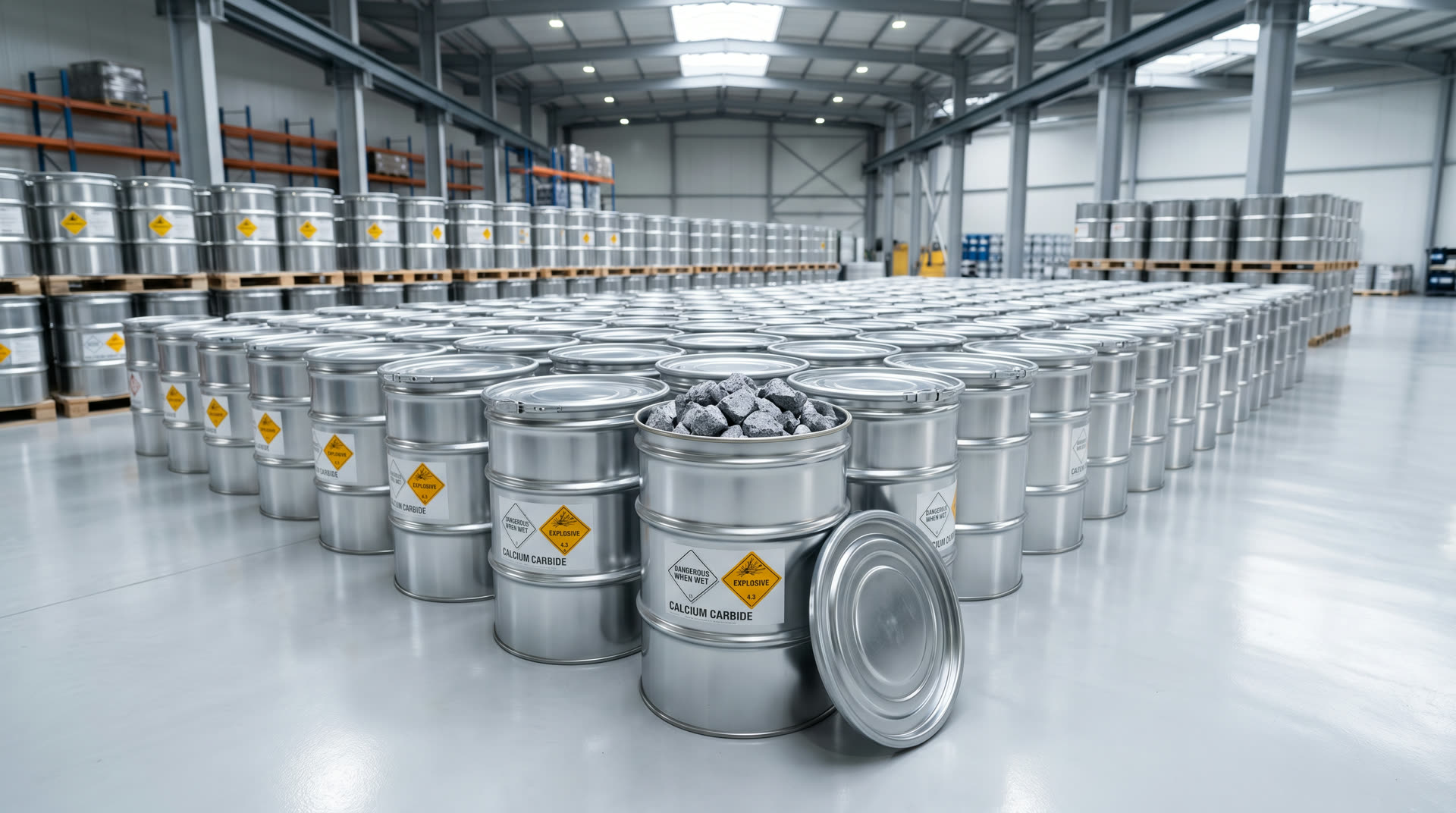
Choosing a calcium carbide supplier is primarily a question of verified gas yield, correct grain size, moisture-proof packaging and competent dangerous goods logistics, because a low calcium carbide price per ton means nothing if the material arrives degraded or the shipment stalls in compliance problems. Calcium carbide reacts with water to produce acetylene, which makes it both commercially valuable and formally hazardous to move. This guide covers the quality parameters, packaging standards, transport rules and sourcing criteria that separate a dependable supply chain from a cheap gamble.
What buyers use it for
Calcium carbide's main industrial roles are acetylene generation for welding, cutting and chemical synthesis, desulfurization of iron and steel melts, and specific chemical applications. Each use cares about the same fundamentals: how much acetylene a kilogram actually delivers, and whether the granulation suits the customer's generator or injection equipment.
Quality: gas yield and grain size
Gas yield
The defining quality measure of calcium carbide is its acetylene yield, expressed as liters of gas per kilogram under standard conditions. Yield depends on purity and freshness: carbide that has partially reacted with atmospheric moisture during storage or transit has already surrendered part of its value as calcium hydroxide dust in the drum. Specify the guaranteed minimum yield in the contract and verify it on arrival for significant purchases, because yield differences translate directly into cost per cubic meter of acetylene, a far more honest metric than price per ton.
Grain size
Carbide is sold in defined granulations, from fine grades for metallurgical injection to large lumps for acetylene generators. Using the wrong fraction causes real problems: fines in a generator can react too fast and overheat, while oversized lumps feed poorly. State the required size fraction explicitly and require a sieve tolerance, and pay attention to the share of fines created by handling, since every additional loading operation grinds product into dust.
Packaging: the moisture war
Because carbide begins reacting on any contact with humid air, packaging is a quality parameter in its own right. Industry standard is sealed steel drums, commonly with nitrogen purging, in sizes from 50 kg to large drums, or specialized big containers for bulk industrial users. What to check: drum integrity and sealing quality, clear UN-compliant hazard marking, and production date, since even sealed packaging is not eternal. Damaged or resealed drums at arrival justify rejection, and a supplier's attitude toward this checkpoint reveals a lot about the chain behind them.
Logistics: ADR and dangerous goods discipline
Calcium carbide is classified as a dangerous good (UN 1402, a substance which, in contact with water, emits flammable gas), so road transport falls under ADR rules, with parallel regimes at sea. Practical consequences: certified packaging, correct labels and transport documents, trained drivers and appropriate vehicles, and, at sea, stowage requirements that keep the cargo dry and separated. None of this is exotic for an experienced trader, and all of it is a trap for an inexperienced one. Shipments held at ports over documentation gaps cost more than any price advantage the offer contained.
KAF Industries manages carbide supply end to end, from sourcing through compliant delivery, within its international trade and sourcing group.
Documentation to require
A complete carbide shipment travels with: a certificate of analysis stating gas yield and granulation for the delivered lot, safety data sheet in the destination language where required, dangerous goods declarations for the transport legs, and clean, consistent commercial documents for customs. Insist on lot traceability between the certificate and the physical drums.
Choosing the source
Reliable carbide sourcing weighs the producer's process consistency, export track record and packaging discipline, along with the trader's ability to prove where the goods actually come from. Ask for references in your industry, start with a trial lot, and treat rock-bottom offers with suspicion, since old stock and reprocessed material typically enter the market through the cheapest door.
A supply partner, not just a price
KAF Industries supplies calcium carbide as part of a deliberately selected trading portfolio, with verified sources, guaranteed specifications and dangerous goods logistics handled professionally into Turkey, the Middle East, Central Asia and Europe. We quote current terms on request rather than publishing numbers that age badly. Start at the international trade and sourcing group or write via the contact page. Right product. Right source. Right solution.
Frequently Asked Questions
What drives the calcium carbide price per ton?
Production energy costs, raw material and freight rates, granulation, packaging type and order volume all move the number, and dangerous goods logistics add a real cost layer. Compare offers on delivered cost per unit of acetylene yield, and ask us for a current quotation rather than relying on published figures.
How should calcium carbide be stored on site?
In original sealed drums, indoors, dry, off the floor and away from any water source, with ventilation preventing acetylene accumulation and ignition sources excluded. Open only what will be used promptly, and follow the safety data sheet and local regulations.
What shelf life can I expect?
In intact sealed drums stored dry, carbide keeps its yield for extended periods, commonly a year or more. The practical limit is packaging integrity: once seals degrade or drums are opened, moisture ingress steadily consumes the product. Order in quantities matched to your actual consumption cycle.