Used Cryogenic Storage Tank Buying Checklist: 10 Key Points
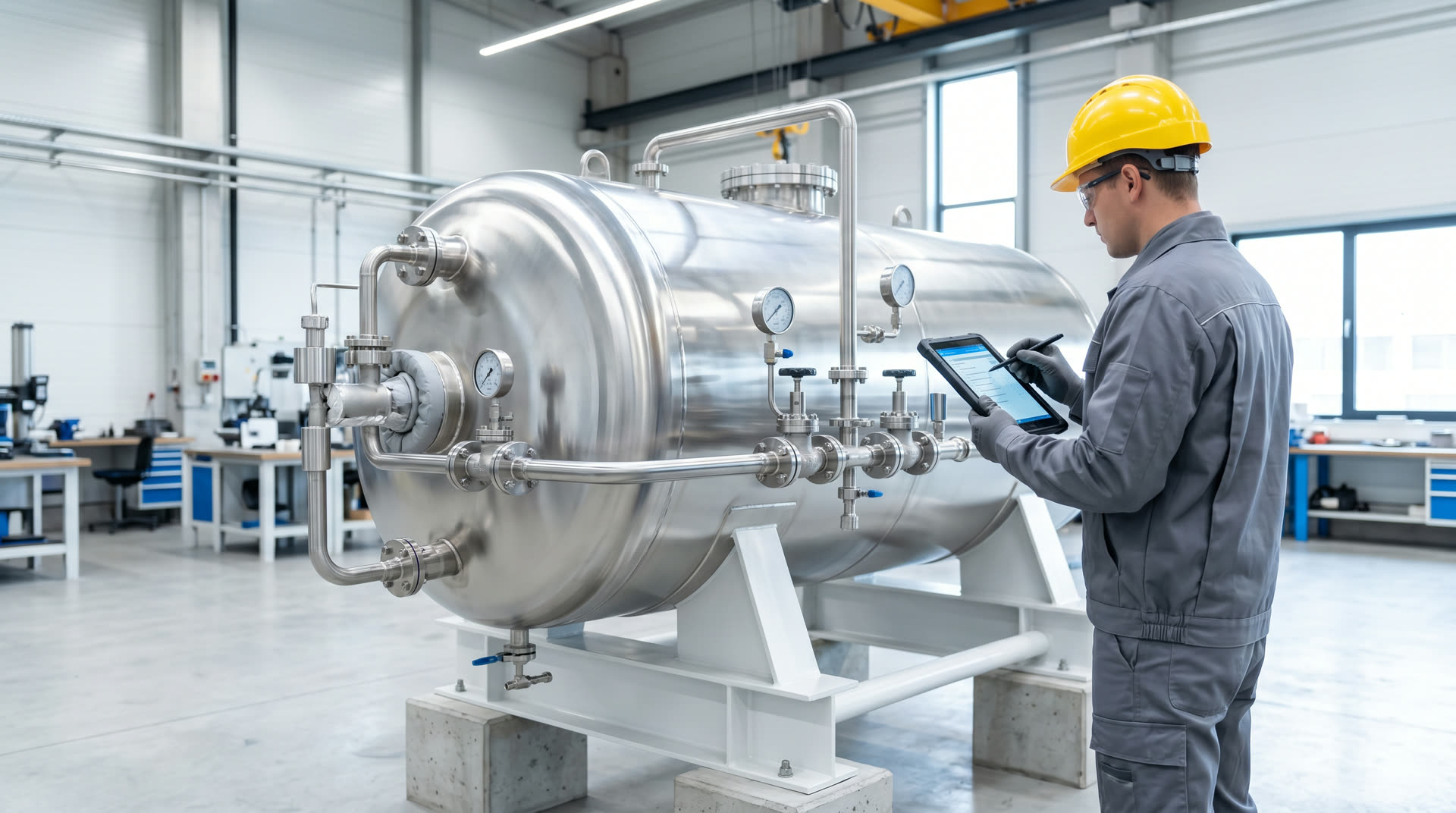
A used cryogenic storage tank is a proven way to cut capital cost, but only if the vessel passes a disciplined technical inspection before purchase. The ten points below cover vacuum integrity, service history, pressure compliance, sizing and seller credibility: the factors that separate a reliable second-hand tank from an expensive mistake. Work through them in order and you will avoid the most common failures buyers report after delivery.
1. Vacuum condition comes first
The insulating vacuum between the inner and outer vessel is the heart of any cryogenic tank. Ask for a recent vacuum reading and, if possible, have it measured during inspection. Frost patches or condensation on the outer shell, or a product loss rate well above the nameplate figure, are warning signs of vacuum degradation. A tank with a weak vacuum can often be re-evacuated, but that cost must be reflected in the price.
2. Internal cleanliness and service history
Request the full service file: what products the tank has stored, when it was last cleaned and degreased, and which workshop carried out previous repairs. A tank moving from nitrogen to oxygen service, for example, requires certified oxygen cleaning. Gaps in the paperwork are not automatically disqualifying, but they shift risk onto you as the buyer.
3. Pressure rating and code compliance
Confirm the design pressure matches your process requirements and that the vessel documentation aligns with the code regime in your country, such as PED conformity for the European market or an equivalent national approval elsewhere. Verify the nameplate data against the manufacturer records rather than taking a listing description at face value.
4. Age and general condition
Cryogenic tanks are long-lived assets, and a well-maintained 15-year-old vessel can outperform a neglected 8-year-old one. Age matters mainly through its effect on vacuum quality, valve wear and outer shell corrosion. Judge the tank on measured condition, not on the year of manufacture alone.
5. Evaporation loss rate
Ask for the normal evaporation rate (NER) and compare it with the original specification. Elevated boil-off is the single most expensive hidden defect, because you pay for it in lost product every single day of operation.
6. Safety valves and instrumentation
Check that relief valves, bursting discs, level gauges and pressure indicators are present, within calibration and correctly sized. Replacing missing or expired safety devices is routine work, but it should be priced into the deal, not discovered after commissioning.
7. Correct sizing for your demand
A bargain tank in the wrong size is no bargain. Match capacity to your real consumption, delivery frequency and site constraints. Oversized vessels increase standing losses; undersized ones force frequent refills and premium logistics.
If you want a professional eye on a specific vessel, our cryogenics team inspects and prepares used tanks as part of the KAF Industries cryogenic equipment program.
8. Logistics and site handling
A vertical tank of several tons needs a crane, a suitable foundation and often route permits. Clarify who is responsible for loading, transport, insurance and offloading before signing. Cross-border moves add customs documentation that an experienced trading partner can manage for you.
9. Seller credibility
Buy from a counterparty with a verifiable track record in cryogenic equipment, not from an anonymous listing. A specialist seller can show inspection reports, explain the tank's history and stand behind the vessel after delivery. Ask for references from previous buyers in your region.
10. Commissioning and after-sales support
The purchase is complete only when the tank is installed, purged, cooled down and operating at its rated performance. Confirm who handles commissioning, whether spare parts for valves and gauges are available, and who you call if the vacuum needs attention two years from now.
How KAF Industries supports used tank buyers
KAF Industries maintains a pool of new and used cryogenic tanks and backs every sale with in-house expertise built on roughly 50 years of combined team experience in industrial gases and cryogenic equipment. We inspect, repair and re-insulate vessels before delivery, arrange logistics, and support commissioning on site. Explore our cryogenics business group or write to us through the contact page for current availability. Right product. Right source. Right solution.
Frequently Asked Questions
How much can I save by buying a used cryogenic tank instead of a new one?
Savings vary with size, age and condition, but a properly refurbished used tank typically costs significantly less than a new equivalent while offering comparable service life. The key is verified vacuum condition and complete documentation, which protect that saving over time.
Can a used tank be converted to a different gas service?
Often yes. Conversion between nitrogen, oxygen and argon service is common, but it requires professional cleaning, valve checks and updated documentation. Oxygen service in particular demands certified degreasing. Ask the seller to confirm feasibility before purchase.
What documents should come with a used cryogenic tank?
At minimum you should receive the manufacturer data book or nameplate records, pressure test history, recent vacuum and evaporation data, safety valve certificates and, for the EU market, PED-related conformity documentation. Missing papers should be reflected in the price or replaced through recertification.