Cryogenic Tank Rental or Purchase: Making the Right Choice
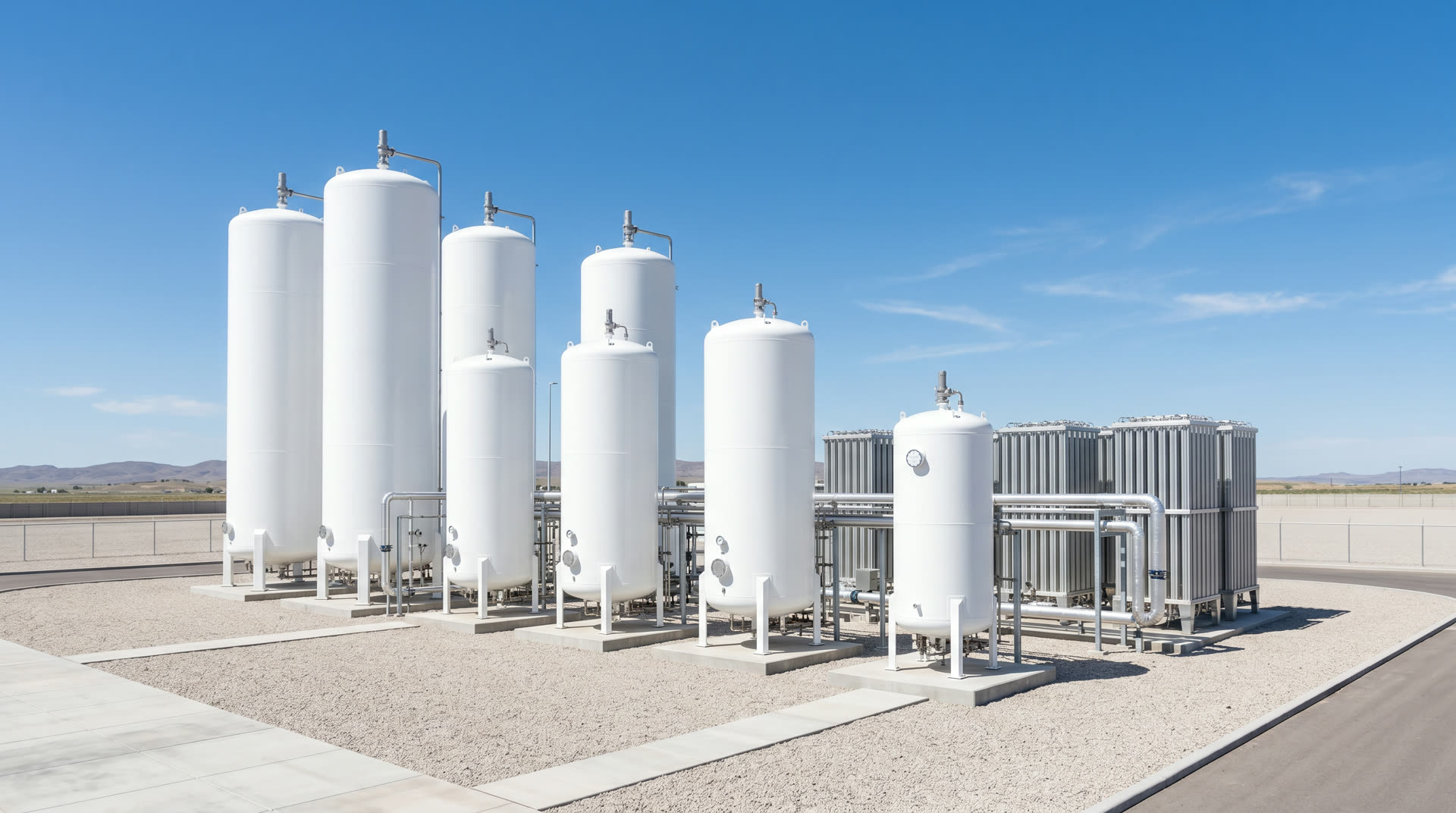
Cryogenic tank rental makes sense when your project horizon is short or uncertain, while purchase pays off when demand is stable for many years and you want full control of the asset. The decision comes down to five factors: expected duration of use, cash flow, project certainty, maintenance responsibility and balance sheet treatment. This guide walks through each factor so you can match the supply model to your business, not the other way around.
The five decision criteria
1. Duration of use
The longer the tank will stay in service, the stronger the case for buying. As a general rule, requirements measured in months favor rental, requirements measured in many years favor purchase, and anything in between deserves a proper cost comparison. Cryogenic tank leasing arrangements with longer fixed terms sit in the middle, offering lower monthly rates than short-term rental without the upfront capital of a purchase.
2. Cash flow and capital allocation
A purchased tank ties up capital that could fund production equipment, inventory or market expansion. Rental converts that capital expense into a predictable monthly operating cost. For growing companies, or for projects where the budget is already committed elsewhere, this alone often decides the question.
3. Project uncertainty
If your gas consumption could double next year, or the plant might relocate, or the contract behind the demand runs for a fixed period, rental keeps you flexible. You can upsize, downsize or return the tank as the situation develops. Purchase locks you into one capacity and one location unless you resell.
4. Maintenance responsibility
With rental, the owner typically remains responsible for the technical condition of the vessel: vacuum performance, safety valve certification and periodic inspection. When you buy, that responsibility and its costs transfer to you. Companies without in-house cryogenic expertise often underestimate this point.
5. Tax and balance sheet treatment
Rental payments are generally operating expenses, while a purchased tank is a depreciating asset on your balance sheet. Which treatment is more favorable depends on your jurisdiction and financial strategy, so involve your finance team early in the decision.
Quick comparison
| Factor | Rental / leasing | Purchase |
|---|---|---|
| Upfront cost | Low | High |
| Monthly cost | Fixed rental fee | Depreciation only |
| Flexibility | High, swap or return | Low, resale needed |
| Maintenance | Usually on the owner | On you |
| Long-term total cost | Higher over many years | Lower over many years |
| Balance sheet | Operating expense | Capital asset |
If you are still weighing the options for a specific site, our team can model both scenarios with real numbers through the KAF Industries cryogenics group.
When a hybrid approach works best
Many buyers start with cryogenic tank rental to prove the demand, then convert to purchase once consumption stabilizes. Others buy a base-load tank and rent additional capacity for seasonal peaks. Because KAF Industries offers new tanks, used tanks, rental and leasing under one roof, including trailers and ISO containers for transport needs, you are not forced into a single model on day one.
What to check in any rental or purchase agreement
Whichever route you choose, confirm the pressure rating and evaporation performance in writing, clarify who pays for transport, installation and commissioning, and define the process for maintenance interventions. For rentals, check the return conditions and what counts as normal wear. For purchases, secure the documentation package and after-sales support commitments.
Talk to a partner that offers both
KAF Industries supplies new and used cryogenic tanks for sale and operates a rental and leasing fleet covering storage tanks, transport trailers and ISO containers. Because we earn on both models, our advice starts from your consumption profile rather than from what we want to move. Visit the cryogenics business group or reach us via the contact page for a side-by-side proposal. Right product. Right source. Right solution.
Frequently Asked Questions
How long is a typical cryogenic tank rental contract?
Contracts range from a few months for project work to multi-year leasing agreements. Shorter terms carry higher monthly rates, while longer commitments bring the rate down. The right term depends on how confident you are in your future gas demand.
Who maintains a rented cryogenic tank?
In most rental agreements the owner remains responsible for the structural and vacuum condition of the tank, along with periodic safety inspections, while the user handles day-to-day operation. Always confirm the exact split of responsibilities in the contract before signing.
Can I buy the tank I have been renting?
Frequently yes. Rent-to-own conversions are common when demand proves stable, and some agreements credit part of the paid rent toward the purchase price. Discuss this option upfront so the contract includes clear conversion terms.