Liquid Oxygen Storage Tank Price: 7 Factors That Decide It
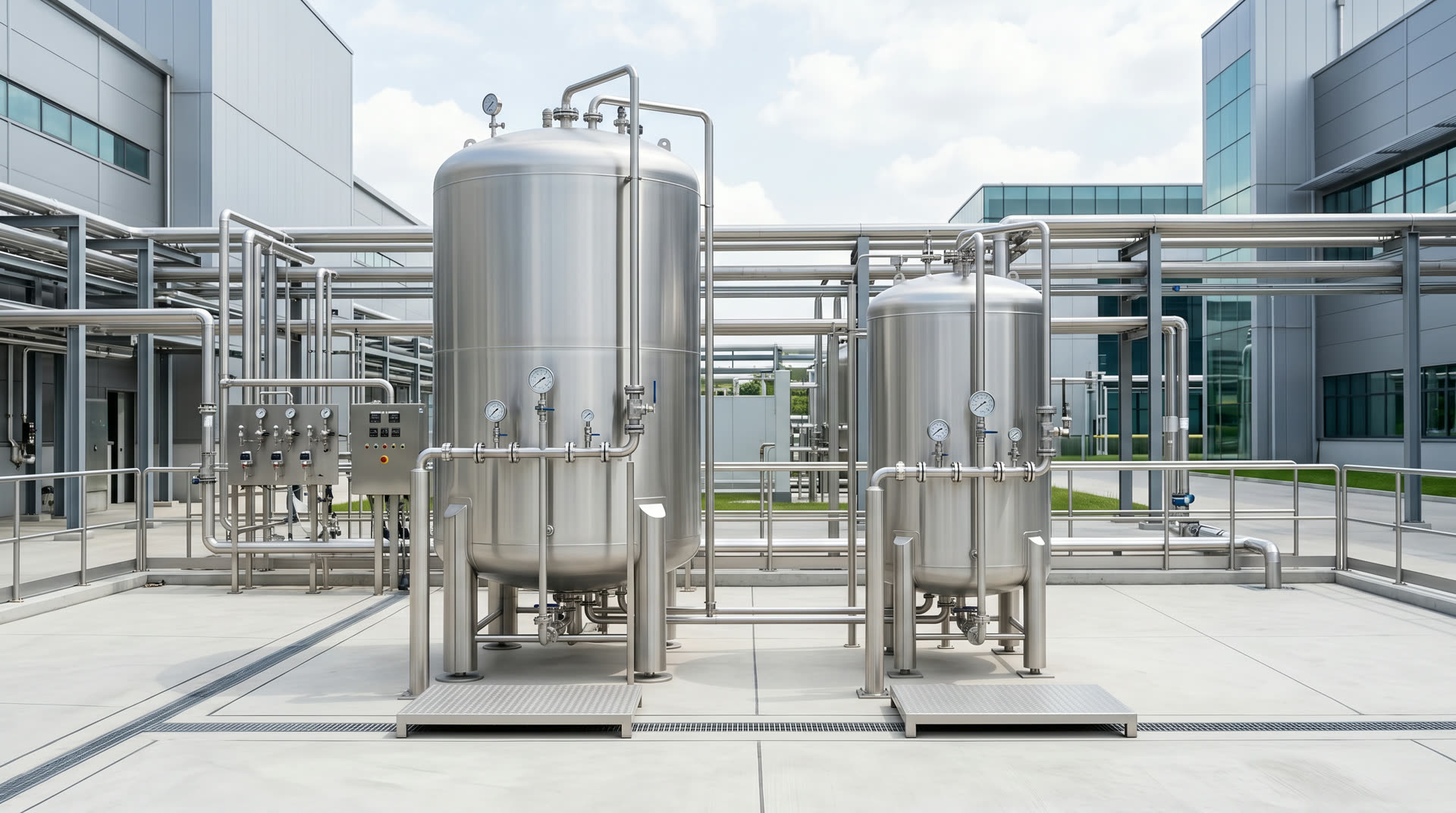
A liquid oxygen storage tank price, like the price of a liquid nitrogen tank, is determined by seven main factors: capacity, pressure rating, new versus used condition, inner vessel material, evaporation performance, accessories such as vaporizers, and logistics plus installation. There is no meaningful single market price, because two tanks of the same nominal size can differ substantially once these variables are specified. Understanding the factors lets you compare quotations properly and avoid paying for features you do not need.
1. Capacity
Tank volume is the most obvious cost driver. Larger vessels need more stainless steel, more insulation and heavier fabrication, but the price does not scale linearly: cost per stored liter usually falls as capacity rises. The right size is the one matched to your consumption and refill logistics, not the biggest one the budget allows, because oversized tanks carry unnecessary standing losses.
2. Pressure rating
Higher design pressure means thicker vessel walls, heavier reinforcement and more demanding testing, all of which raise cost. A tank feeding a low-pressure process does not need a high-pressure design. Define your true working pressure before requesting quotes, since this single specification can move the price band noticeably.
3. New or used
A refurbished used tank from a credible source typically costs considerably less than a new equivalent. The trade-off is availability in the exact size and pressure class you want, and the importance of verified vacuum condition and documentation. For many buyers, a professionally inspected used vessel is the most cost-effective route into bulk liquid supply.
4. Inner vessel material and build quality
The inner vessel is usually austenitic stainless steel, but grade selection, wall design and the quality of welding and cleaning differ between manufacturers. Certified material with full traceability costs more upfront and repays it in service life and inspection outcomes. Very low quotations often hide compromises here.
5. Evaporation rate
Insulation quality determines the normal evaporation rate, and better insulation costs more to build. A cheaper tank with higher boil-off can be the more expensive tank over ten years, because you pay for the difference in vented product every day. Always compare the guaranteed evaporation figure alongside the price.
6. Accessories and vaporizers
A storage tank rarely works alone. Ambient air vaporizers, pressure build coils, gauges, telemetry and manifolds add real cost to the package. Clarify exactly what each quotation includes, since one supplier's "tank price" may cover a bare vessel while another's covers a turnkey station.
For a specification review before you go to market, our team is available through the KAF Industries cryogenics group.
7. Logistics, foundation and installation
Transporting a multi-ton vessel, craning it onto a prepared foundation, connecting piping and commissioning the system all carry costs that vary strongly with location. International deliveries add customs handling. Budget these items from the start, because they routinely surprise first-time buyers more than the tank itself.
How to compare quotations fairly
Put the offers side by side on identical assumptions: same net capacity, same working pressure, same evaporation guarantee, same accessory scope and same delivery terms. Ask each liquid nitrogen storage tank supplier or oxygen tank vendor to itemize the package. The cheapest headline number is meaningful only when the scope behind it matches.
Get a current, itemized offer
Market prices for materials, energy and freight move constantly, so any figure published today would mislead you tomorrow. KAF Industries supplies new and used liquid oxygen, nitrogen and argon tanks, arranges rental where that fits better, and quotes with full itemization so you can see exactly what you are paying for. Visit the cryogenics business group or request a current offer via the contact page. Right product. Right source. Right solution.
Frequently Asked Questions
Why do quotes for the same tank size differ so much?
Because "same size" hides different pressure ratings, evaporation guarantees, accessory scopes, documentation levels and delivery terms. Ask every supplier to itemize the offer against a common specification, and most of the gap will explain itself.
Is a used liquid oxygen tank safe to buy?
Yes, provided the vacuum condition is verified, the vessel has been oxygen-cleaned and certified for oxygen service, and the pressure documentation is complete. A specialist seller will provide inspection reports covering all three points before you commit.
Should I include the vaporizer in the same purchase?
Usually yes. Buying the tank, vaporizer and controls as one matched package avoids interface problems, makes a single party responsible for performance and often costs less than sourcing components separately.