Food Grade CO2 Explained: What Buyers Should Verify First
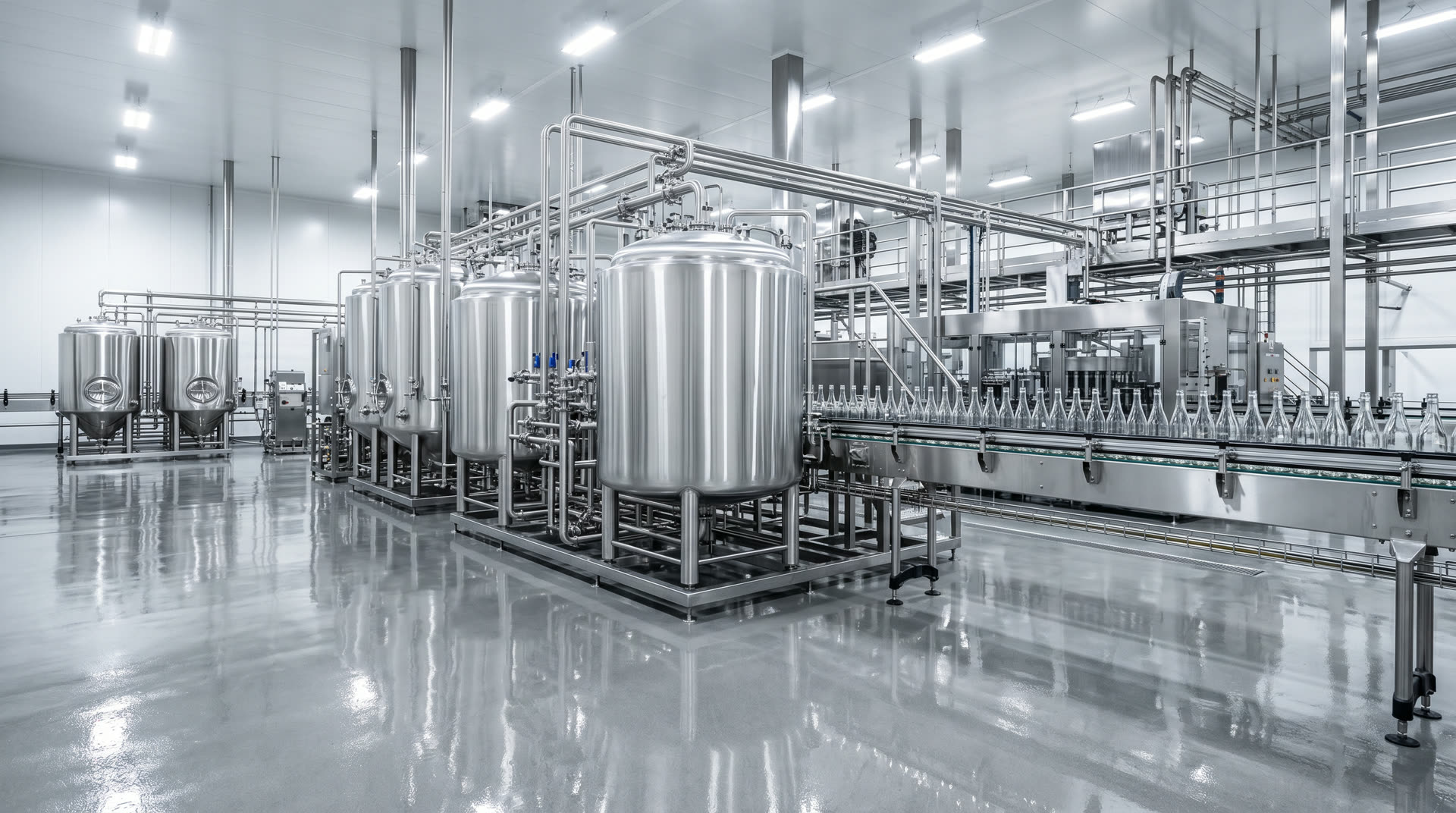
Food grade CO2 is carbon dioxide purified, tested and documented to meet food safety specifications, so it can safely carbonate beverages, preserve packaged food and produce dry ice for the cold chain. The difference from industrial CO2 is not the molecule itself but the guaranteed purity level, the certificate of analysis accompanying each batch and the traceability of the entire supply chain. Any food or beverage producer choosing a food grade CO2 supplier should verify those three elements before price even enters the conversation.
Industrial vs food grade: what actually differs
Carbon dioxide is recovered as a by-product from sources such as ammonia production, fermentation and natural wells. Raw CO2 from these sources contains trace impurities that vary by origin. Industrial grade CO2, used for welding, pH control or general purposes, tolerates impurity levels that are unacceptable in anything a person will drink or eat.
Food grade CO2 goes through additional purification and, critically, through batch testing against recognized specifications for food applications, such as those aligned with beverage industry guidelines. The result is documented purity, typically 99.9 percent or higher, with strict limits on impurities like benzene, methanol, sulfur compounds and oil residues. The certificate of analysis (CoA) issued for each batch is what converts a claim into a verifiable fact.
The three pillars of a trustworthy supply
1. Purity specification in writing
Ask the supplier for the exact specification they guarantee, including limits for the key impurity groups. A serious supplier provides this as a standard document. Vague statements like "suitable for beverages" without numbers are a warning sign.
2. Certificate of analysis per batch
Every delivery should be traceable to a CoA showing tested values against the specification. Check that the certificates come from the producing plant's laboratory or an accredited lab, and that batch numbers on the paperwork match what arrives at your site.
3. Traceability through the chain
CO2 often changes hands between producer, trader and distributor. You need to know which source plant produced your gas and confirm that transport tanks and storage vessels are dedicated to or properly prepared for food grade product. Cross-contamination in logistics can undo perfect production quality.
Where food grade CO2 is used
Beverage carbonation is the highest-profile application, covering soft drinks, sparkling water and beer. Modified atmosphere packaging (MAP) uses CO2 to extend shelf life of meat, cheese and fresh produce. Dry ice production for pharmaceutical and food cold chains is another major consumer, alongside uses in coffee decaffeination and water treatment for the beverage industry. Each application depends on the same foundation: certified purity.
If you are qualifying a new source for any of these applications, our gases team can present certified options through the KAF Industries gases business group.
What to check when selecting a supplier
Beyond the three pillars above, evaluate supply reliability: does the supplier have access to more than one source plant, what happens during seasonal maintenance shutdowns, and can they support you during regional shortages? Ask about delivery formats, from cylinders to bulk CO2 supplier arrangements with storage tanks, and whether they can help with the storage equipment itself. Finally, review responsiveness: quality issues in food production need same-day answers, not week-long email chains.
KAF Industries as your CO2 supply partner
KAF Industries is an international trading and supply partner for CO2 and industrial gases, not a producer, which means we source from qualified plants and match origin, specification and logistics to your requirement. We supply food grade CO2 with full batch documentation and can combine the molecule with storage tank solutions from our cryogenics group. Learn more at our gases business group or request a specification and offer through the contact page. Right product. Right source. Right solution.
Frequently Asked Questions
Is food grade CO2 the same as beverage grade?
The terms are often used interchangeably, and beverage applications are the strictest common use case. What matters is the written specification and its impurity limits, not the label. Ask for the spec sheet and the batch CoA and compare them with your application's requirements.
Can I use industrial CO2 for beverages if the purity looks high?
No. Even if a given batch happens to be clean, industrial product is not tested and certified against food specifications, so you have no documented assurance and no protection in an audit or recall scenario. The certification process is precisely what you are paying for.
What documents should arrive with each food grade CO2 delivery?
At minimum a certificate of analysis for the delivered batch, referencing the agreed specification, plus delivery documentation identifying the source and batch number. For bulk deliveries, records confirming the transport tank's suitability for food grade service are also good practice.